Breaking Changes
The Azure Monitor HTTP Data Collector API will be deprecated on September 14th, 2026.
Affected Areas: Legacy (9.22 and below), Azure Log Analytics will no longer work upon upgrade to 9.23.
Affected Areas: Legacy (9.22 and below), Azure Log Analytics will no longer work upon upgrade to 9.23.
Overview
Users with v9 installations can integrate with Azure Log Analytics for external logging capabilities, storage, and organizing logs for Azure Containerization.
Azure Log Analytics allows Azure users to run queries on information gathered via the Azure Monitor tool. These tools can be used to log and monitor Decisions Studio from outside the environment. Logging can be accomplished via Environment Variables or Logging Settings.
Prerequisites
- An active Azure account with an established Resource Group.
- A v9 Decisions environment.
- Installation of the AzureServices Module.
Considerations
Users must ensure the proper prerequisites are met in the Azure workspace according to individual/company requirements to minimize issues during configuration.
Configuration
- Log in to Azure Portal.
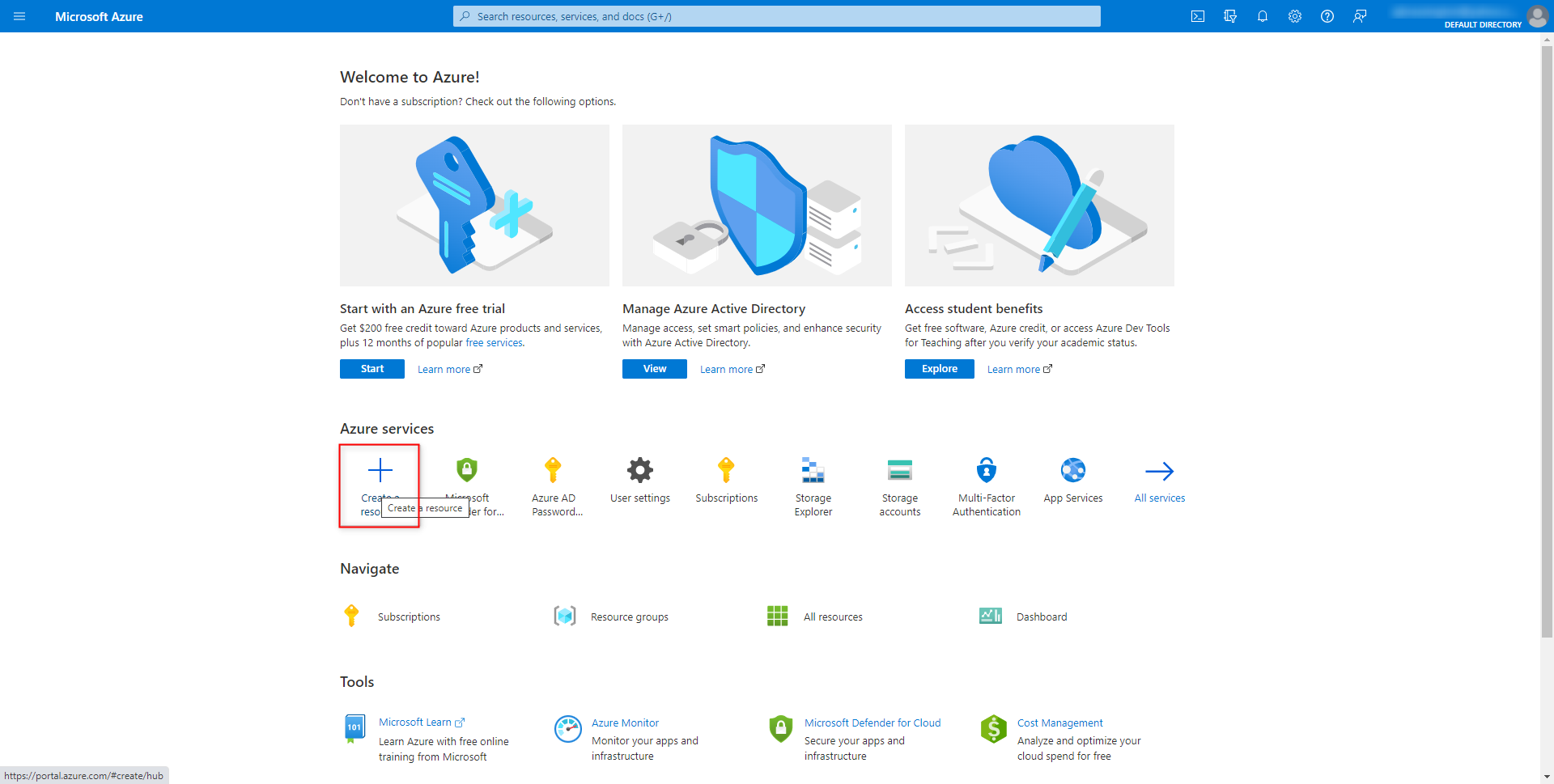
- From the Azure Portal, under Azure Services, select Create a resource.
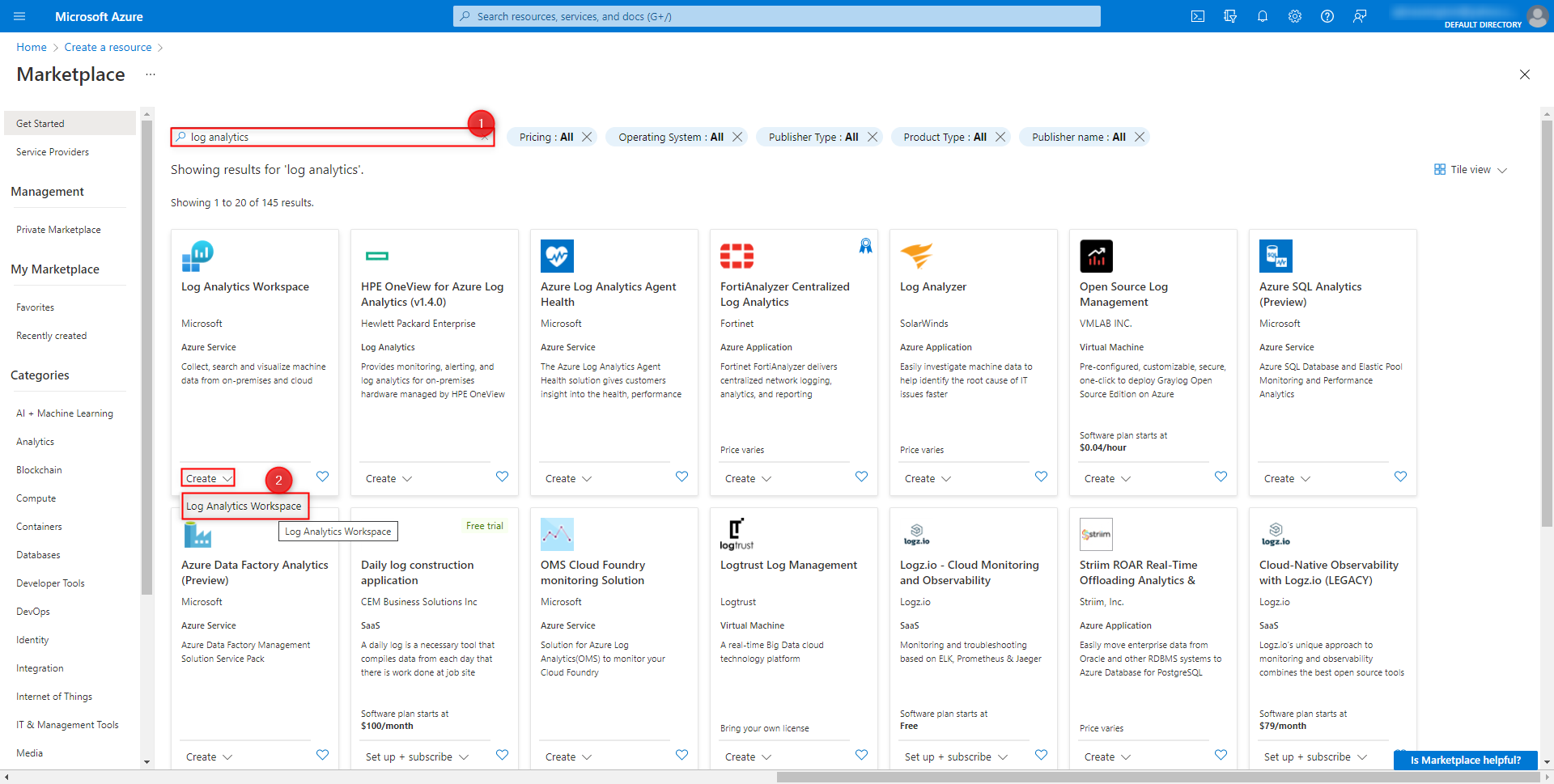
- In the Search services and marketplace box, search for and locate Log Analytics Workspace, then click Create > Log Analytics Workspace.
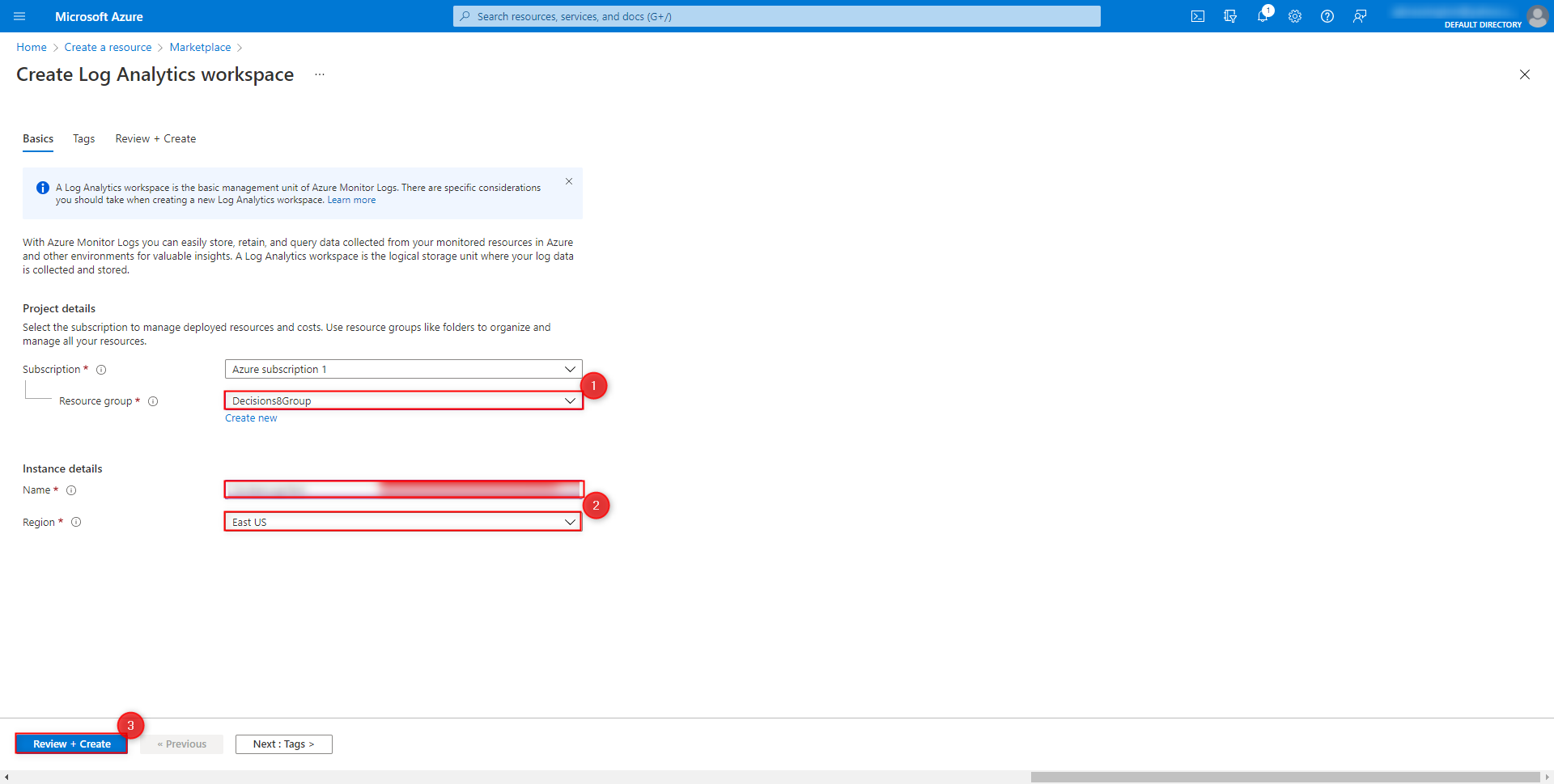
- From the Create Log Analytics workspace, under Project details, select the desired Resource group. Then, under Instance details, provide a Name, and select the same Region as the Resource Group.
- Click Review + Create.
- Navigate to:
- Monitor > Data Collection Rules > Select DCR > Overview, and copy the Immutable ID.
.png)
- Microsoft Entra ID > Overview, and copy the Tenant ID.
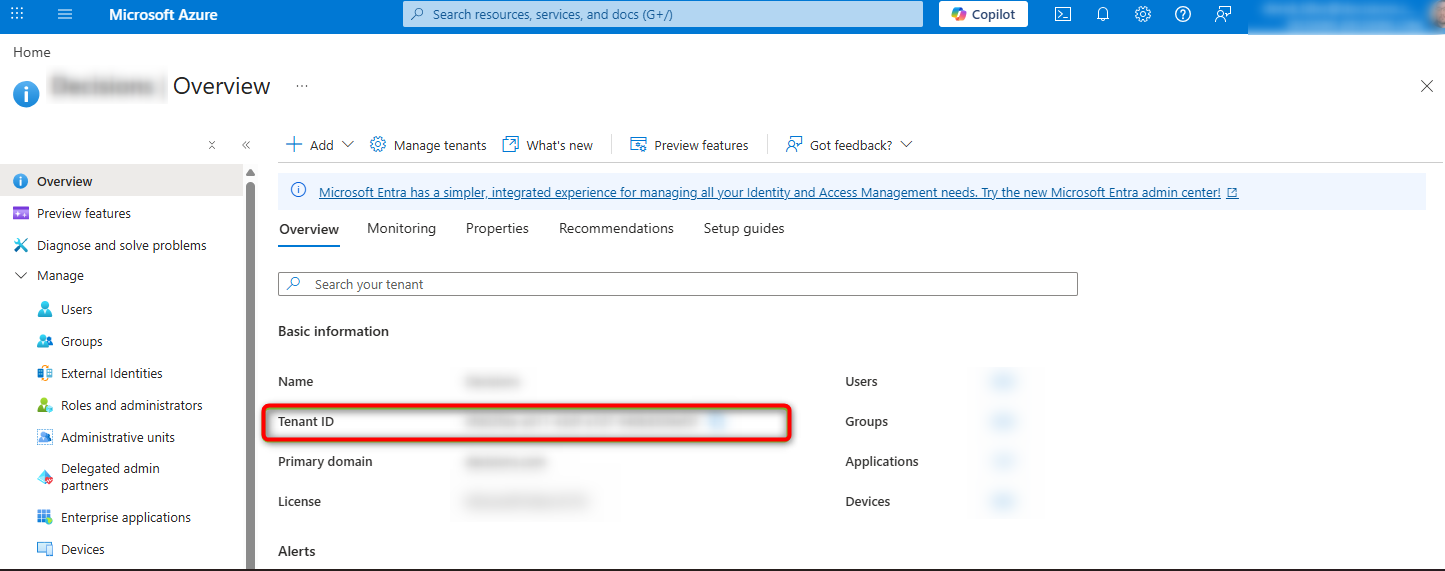
- Microsoft Entra ID > App registrations, and copy the Client ID.
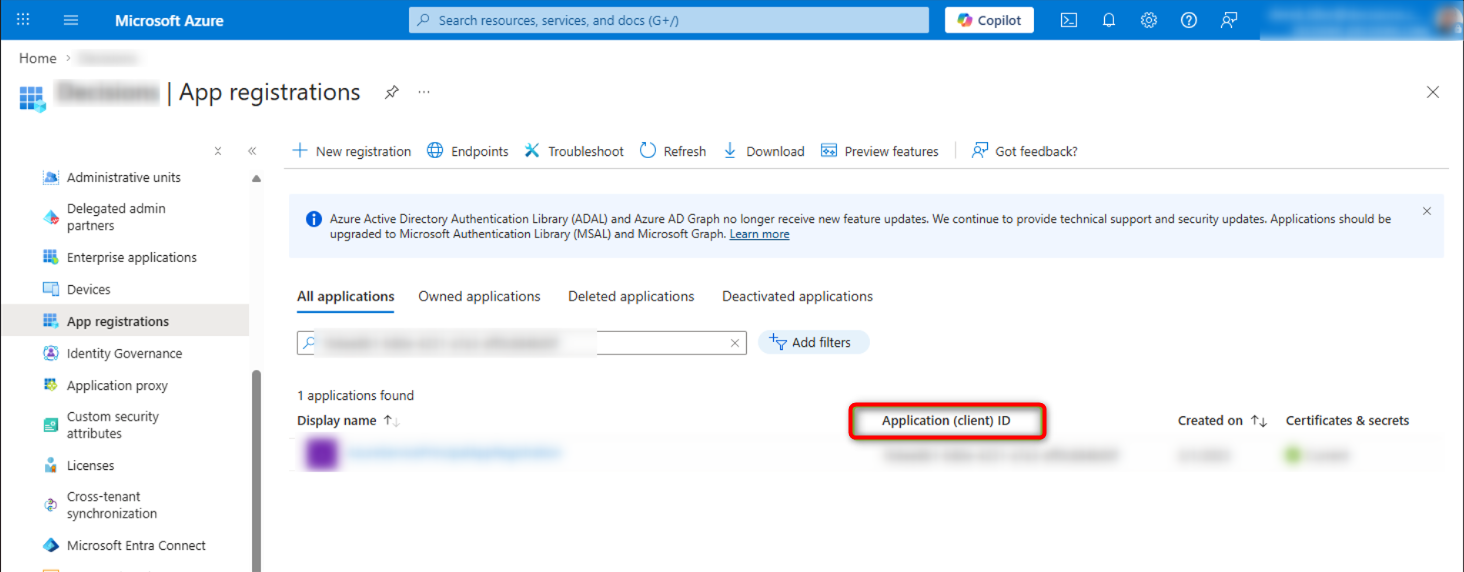
- The Client Secret can be copied during App Registration.
- Monitor > Data Collection Rules > Select DCR > Overview, and copy the Immutable ID.
Environment Variables Method
- From the Local File System of the Decisions v.9 installation, press the Windows key, or select the Search icon on the bottom toolbar, then locate and open the Edit system environment variables Control Panel.
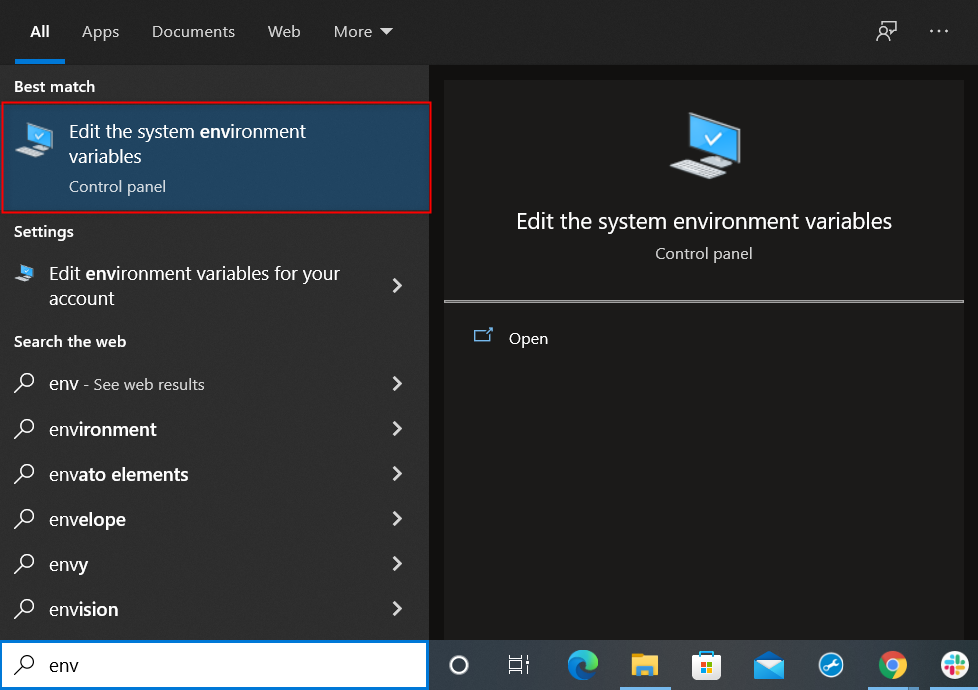
- From the System Properties window, click the Environment Variables... button.
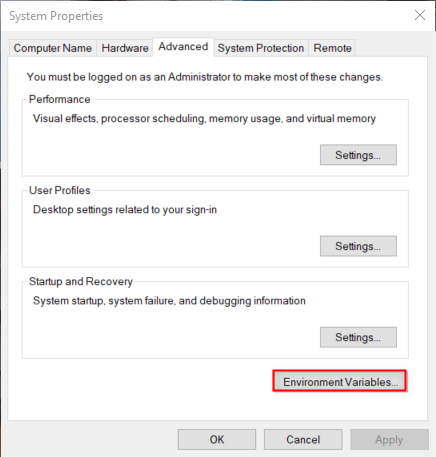
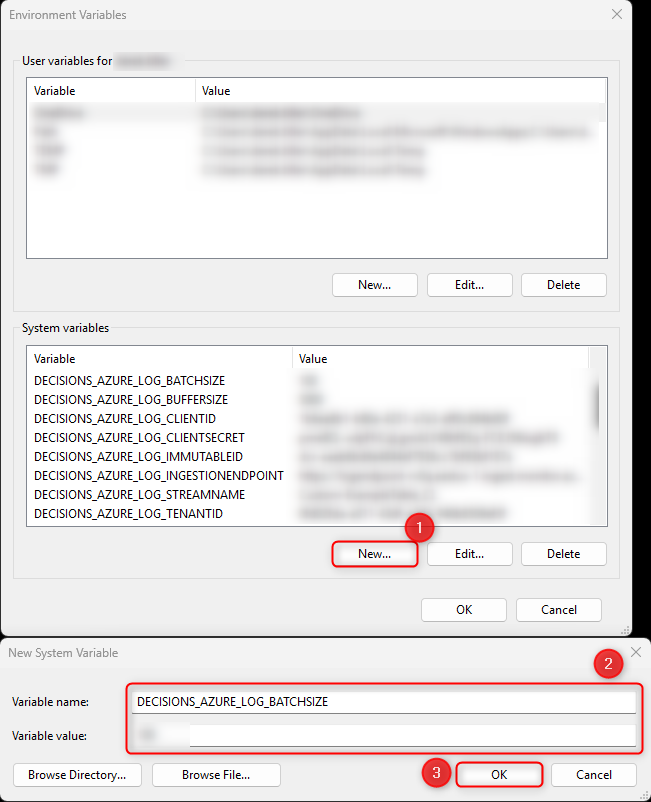
- From the Environment Variables window, under System Variables, click New...
- In the resulting New System Variable window, in the Variable name box, add the following Variable names, and paste the previously copied workspace ID in the Variable value box. Then, click Ok.
- DECISIONS_AZURE_LOG_INGESTIONENDPOINT = Logs Ingestion URL for data collection endpoint.
- DECISIONS_AZURE_LOG_IMMUTABLEID = ImmutableId for Data Collection Rules (DCR).
- DECISIONS_AZURE_LOG_STREAMNAME = Output stream name of target (Log Analytics API, can be accessed from DCR)
- DECISIONS_AZURE_LOG_TENANTID = Directory (tenant) ID of registered application (Microsoft Entra ID)
- DECISIONS_AZURE_LOG_CLIENTID = Application (client) ID of Microsoft Entra application.
- DECISIONS_AZURE_LOG_CLIENTSECRET = Client secret for registered Entra Application
- DECISIONS_AZURE_LOG_BUFFERSIZE = Buffer for the logs to be stored in before they are successfully sent or batched.
- DECISIONS_AZURE_LOG_BATCHSIZE= Number of log records sent in a request.
- If desired, provide the Variable "DECISIONS_LOG_SERILOG_DEBUG" with the Value "True". Serilog.txt is a file that records any errors that occur with Azure Logging. By adding "DECISIONS_LOG_SERILOG_DEBUG" to the Local File System's list of environment variables and setting it to "true", it will create the file within the /Logs directory.
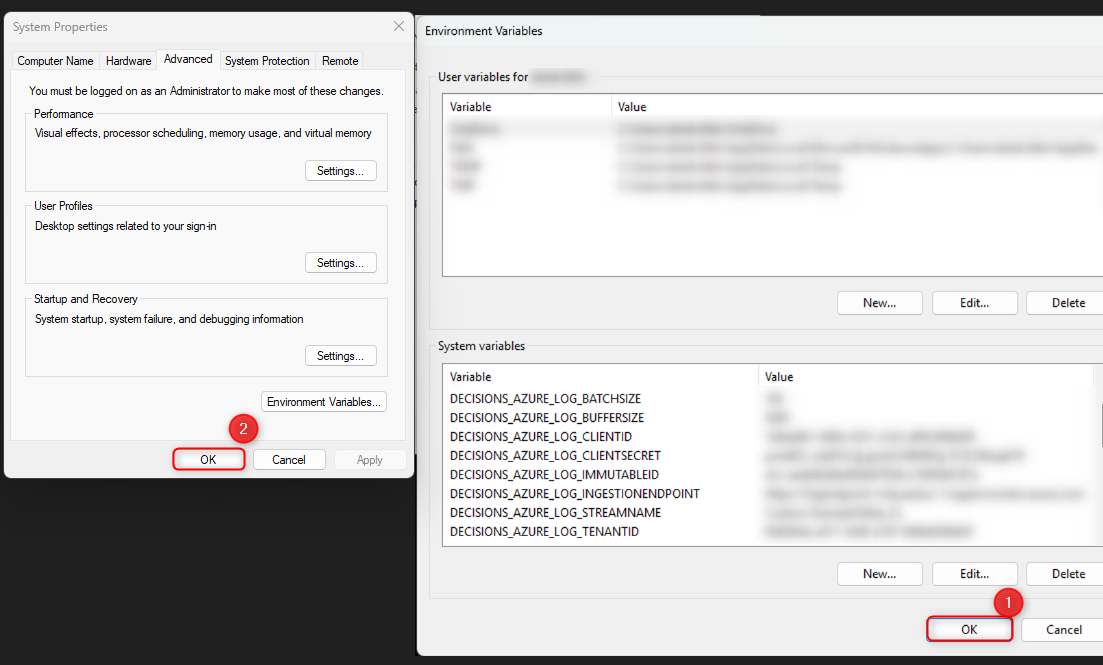
- From the Environment Variables window, click OK. Then, click OK from the System Properties window to save and close the window.
- After specifying the above variables, Users must restart the Decisions service for the variables to be applied and for the log sink to be created properly. Upon startup, environment variables that were configured in Logging Settings > Azure Log Settings should be displayed.
- Proceed to Running Logs.
Logging Settings Method
Note for Azure Log Analytics Settings
No additional action is required for Azure Log Analytics settings.
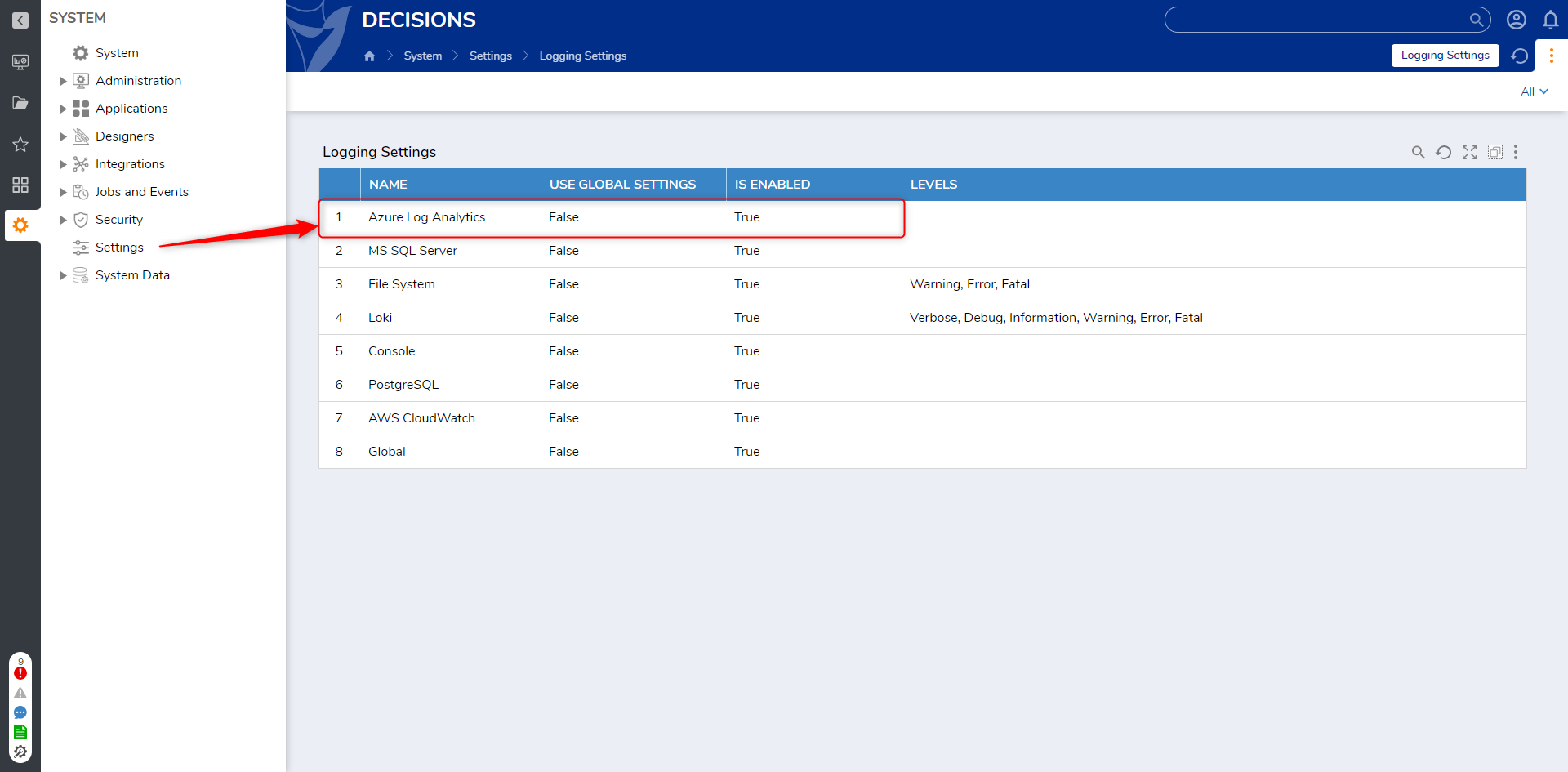
- Navigate to System > Settings > Logging Settings, then open Azure Log Analytics.
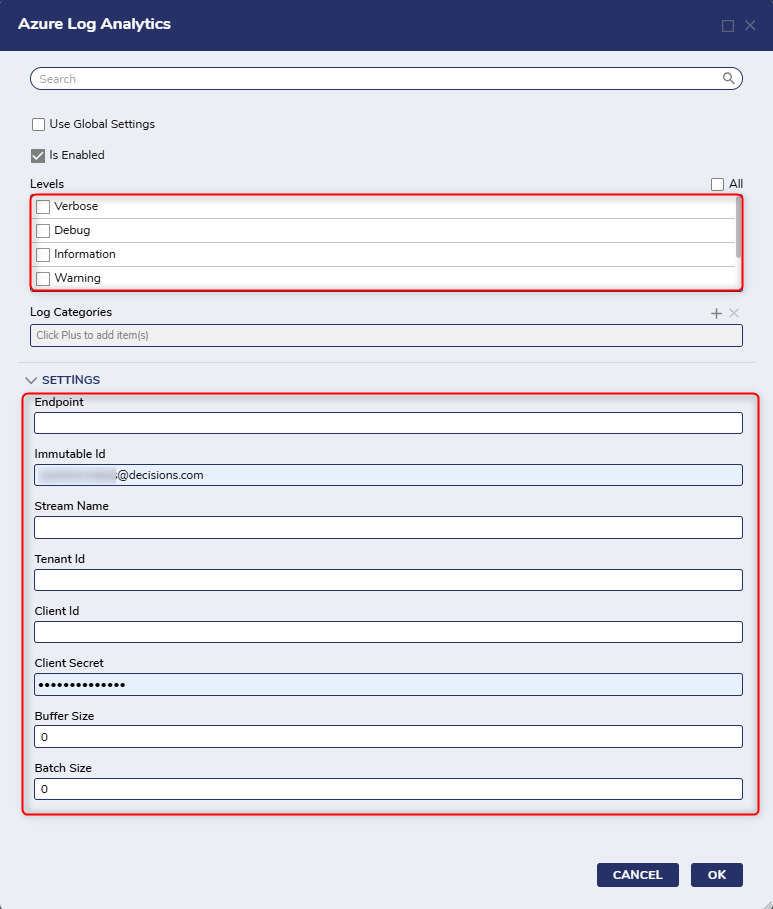
- From the Azure Log Analytics window, select the desired Levels. Then, under SETTINGS, enter the following values:
- Endpoint
- Immutable ID
- Stream Name
- Tenant ID
- Client ID
- Client Secret
- Buffer Size
- Users must restart the decisions service after selecting Is Enabled for the setting to take effect.
- After entering the required fields, click OK.
Logs are sent from Decisions in the CLEF (Compact Log Event Format). For more information, please visit Serilog.Formatting.Compact
[{"TimeGenerated":"2026-03-14T15:12:14.174342Z","Event":{"@t":"2026-03-14T15:12:09.7742888Z","@mt":"This is an example of a log message sent from the Serilog sink.","@l":"Fatal","Category":"TESTFATAL","FlowId":"01KJXBP0PA8GY4Q69WAPHENX2J","Activity":"[Activity]\r\n3 - Running Step [Log 1] in Flow [Flow 1]\r\n2 - Ending Step [] in Flow [Flow 1] with Result [done]\r\n1 - Running Step [] in Flow [Flow 1]\r\n0 - Flow Engine Started\r\n","LogNumber":10,"ThreadId":53,"CallTrackingId":"01KKPEF91DF3E0G18PJSK2SMPW","InstanceName":"Primary","SessionId":"01KKPBZ5YYREMYFRBY21G8HKRC","ClientSessionId":"01KKPDN8RP2SQ28VFNR48EFGH1","IsDesignerUser":true}
,"Message":"This is an example of a log message sent from the Serilog sink."}]
Running Logs
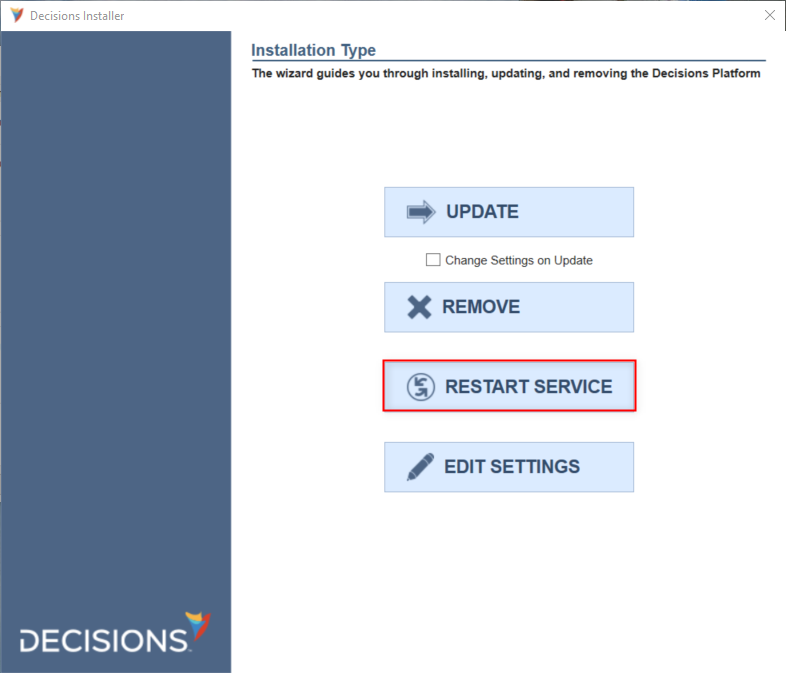
- Restart the Decisions service to ensure that Decisions knows the Azure Log settings.
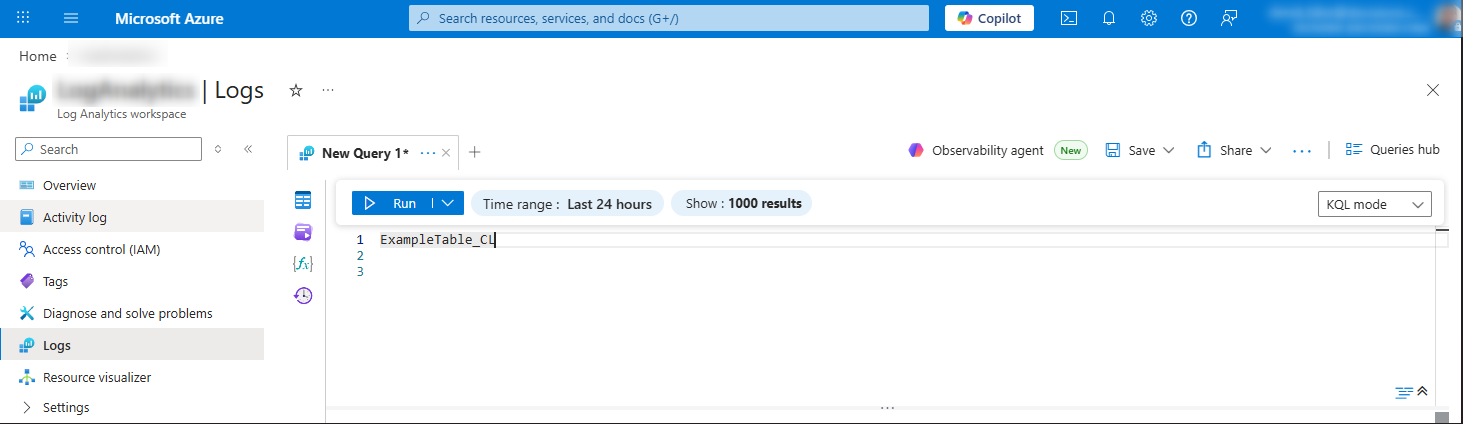
- Navigate back to the Portal for the Log Analytics workspace; under the General category on the left-hand side of the screen, select Logs.
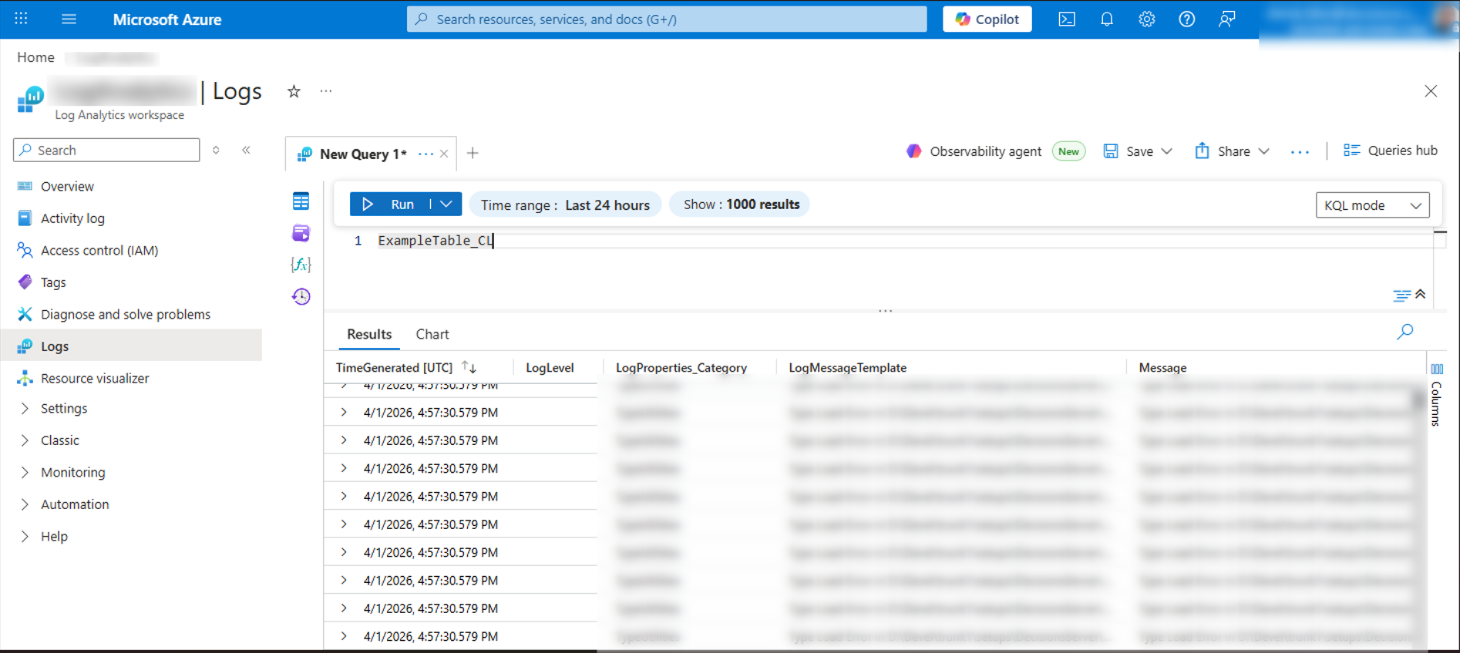
- Close out of the Queries window and create a New Query in the Query Editor, input the Log Name (The one defined in the environment variable DECISIONS_AZURE_LOG_STREAMNAME), then click Run.
- Verify the expected Logs display as expected.
Filtering Logs
If desired, the resulting Logs may be filtered using Kusto Query Language (KQL).
Feature Changes
| Description | Version | Date | Developer Task |
|---|---|---|---|
| The Azure Monitor HTTP Data Collector API will be deprecated on September 14th, 2026. | 9.23 | April 2026 | [DT-046947] |
For further information on Modules, visit the Decisions Forum.